
Keeping your heart strong after 50: Professor Dan Augustine featured in The Telegraph

Professor Dan Augustine has been featured in The Telegraph’s Expert View series, one of the publication’s flagship formats for specialist health advice, sharing his clinical perspective on how strength training protects the heart as we age. The article, published in October 2026, drew on Professor Augustine’s experience working with elite athletes, professional rugby and football clubs, and private patients to make the case for resistance exercise as a serious cardiovascular tool for everyone.
I’m a sports cardiologist. This is how to exercise to keep your heart strong after 50
Aerobic exercise has long been considered the cornerstone of a healthy heart. Regular running, walking or cycling helps the heart pump blood more efficiently, lowers blood pressure and supports a healthy weight. These benefits are well established, and most people are aware of them.
What is less well understood is the cardiovascular case for strength training. A large Harvard-led study published in the British Journal of Sports Medicine followed nearly 147,000 adults for up to 30 years and found that combining strength training with regular aerobic exercise was associated with a reduction in the risk of death from any cause of up to 45 per cent. That is a significant finding, and one that should change how we think about exercise after 50.
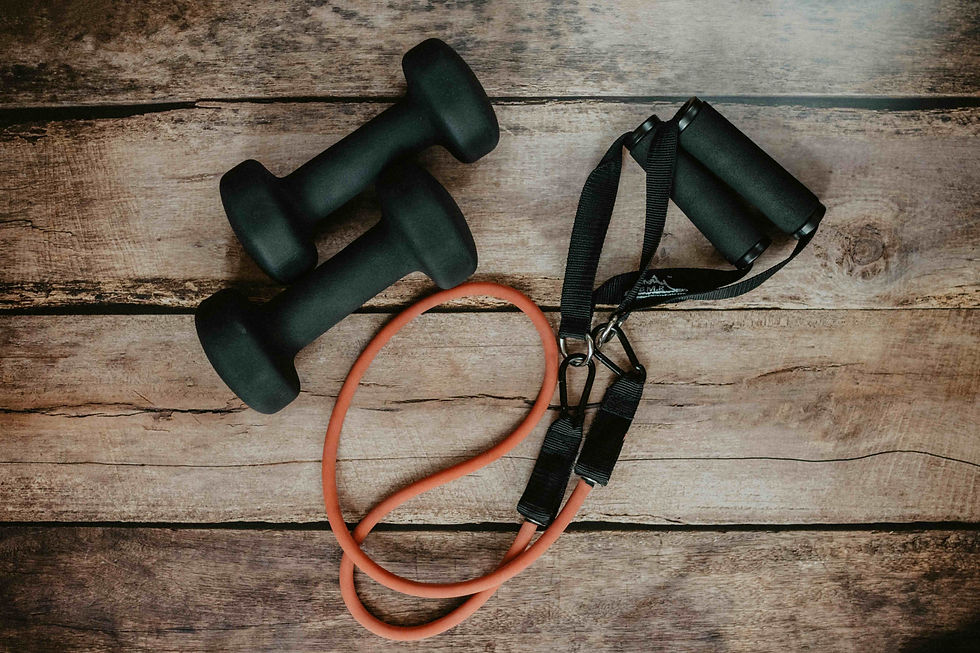
Without regular resistance exercise, we gradually lose muscle mass and strength as we age. Good-quality muscle helps you move more easily, stay active and process glucose effectively, all of which are important for long-term health.
It is worth being clear about one thing: strengthening any single muscle in isolation is not going to directly improve your heart health. What matters is maintaining and improving your overall skeletal muscle. That said, here are three muscle groups that are particularly worth focusing on.
Strong chest muscles are linked to lower heart attack risk
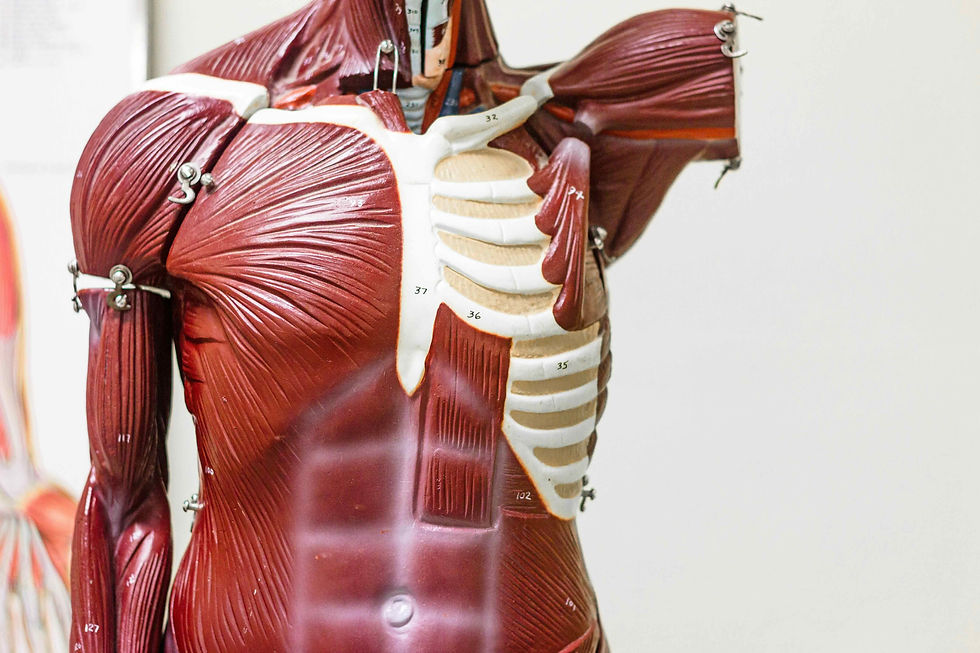
Research has found a significant link between strong, high-quality chest muscles and a reduced risk of heart attacks and early death. The reason is not that the chest muscles themselves are uniquely protective. People with higher-quality pectoral muscles tend to have better overall skeletal muscle, and it is that broader picture that drives the benefit.
Muscles are metabolically active. They absorb large amounts of glucose from the blood, and building muscle makes the body more sensitive to insulin, helping to keep blood sugar under control. This in turn can reduce the risk of developing type 2 diabetes, which is one of the most significant drivers of heart disease. Strength training also improves the health and function of blood vessels, allowing blood to flow more freely and helping to bring blood pressure down.
Calves are the second heart
Every time you walk, climb a flight of stairs or flex your ankles, your calf muscles contract and squeeze the deep veins in your lower legs. Tiny valves inside those veins help push blood back up towards the heart. This mechanism, known as the calf-muscle pump, plays a particularly important role when you are on your feet and moving around.
Research from the Mayo Clinic examined nearly 6,000 patients and found that those with the lowest calf pump function had more than twice the risk of death compared to those whose function was normal. That is a striking association for something most people never think about.
The good news is that you do not need to do anything intensive to make a difference.
Taking the stairs instead of the lift is a simple daily habit that works the calves without any dedicated exercise time.
At home, standing calf raises are easy to fit in: hold the back of a chair or a worktop for stability, slowly rise onto your toes, pause at the top, then lower back down with control. A small movement with a meaningful effect.
Strong glutes keep you upright and moving
The gluteal muscles are among the largest in the body and power many of the movements we rely on daily: walking, cycling, climbing stairs, getting up from a chair and maintaining balance. As we get older, preserving this strength matters more than most people realise. It affects how easily we can move around and how independently we can live.
Maintaining strong glutes also makes aerobic exercise easier, which means staying consistently active over time becomes more achievable. There are metabolic advantages too. Skeletal muscle is one of the body’s primary sites of glucose disposal, so keeping it strong and functional supports blood sugar regulation and overall metabolic health.
You do not need a gym to work on your glutes. Sitting down and standing up from a chair without holding on is an effective everyday exercise.
Squats and lunges are excellent compound movements that target the glutes while also placing a healthy demand on the heart and circulation.
How to get started with Strength Training
If strength training is new to you, beginning with bodyweight exercises is the most straightforward approach. A simple routine combining upper and lower body movements, such as half press-ups, squats, lunges and calf raises, covers the key muscle groups without requiring any equipment. Two sessions a week is a good starting point. For each session, choose five or six movements and work at a pace and repetition count that feels manageable with good form.

Set realistic goals – even if that’s going for a brisk 10-minute walk every evening. You don’t need to do everything at once. Start somewhere and build from there.
As you get stronger, you can increase resistance or repetitions gradually. Resistance bands are a worthwhile investment if you enjoy training at home, as they significantly extend what you can do without taking up much space. Professor Dan Augustine recommends this exercise plan from the British Heart Foundation to his patients.
Strength training works best alongside aerobic exercise, not instead of it. A combined approach is what the evidence supports for building skeletal muscle and keeping the cardiovascular system healthy over the long term.
Professor Dan Augustine is a consultant cardiologist and medical director of Sports Cardiology UK, with clinics in Bath, Bristol and London.
To book a cardiac assessment, get in touch here.


Comments